Five Years of TheMuseumsLab: Two Days of Joint Reflection and Celebration in Berlin
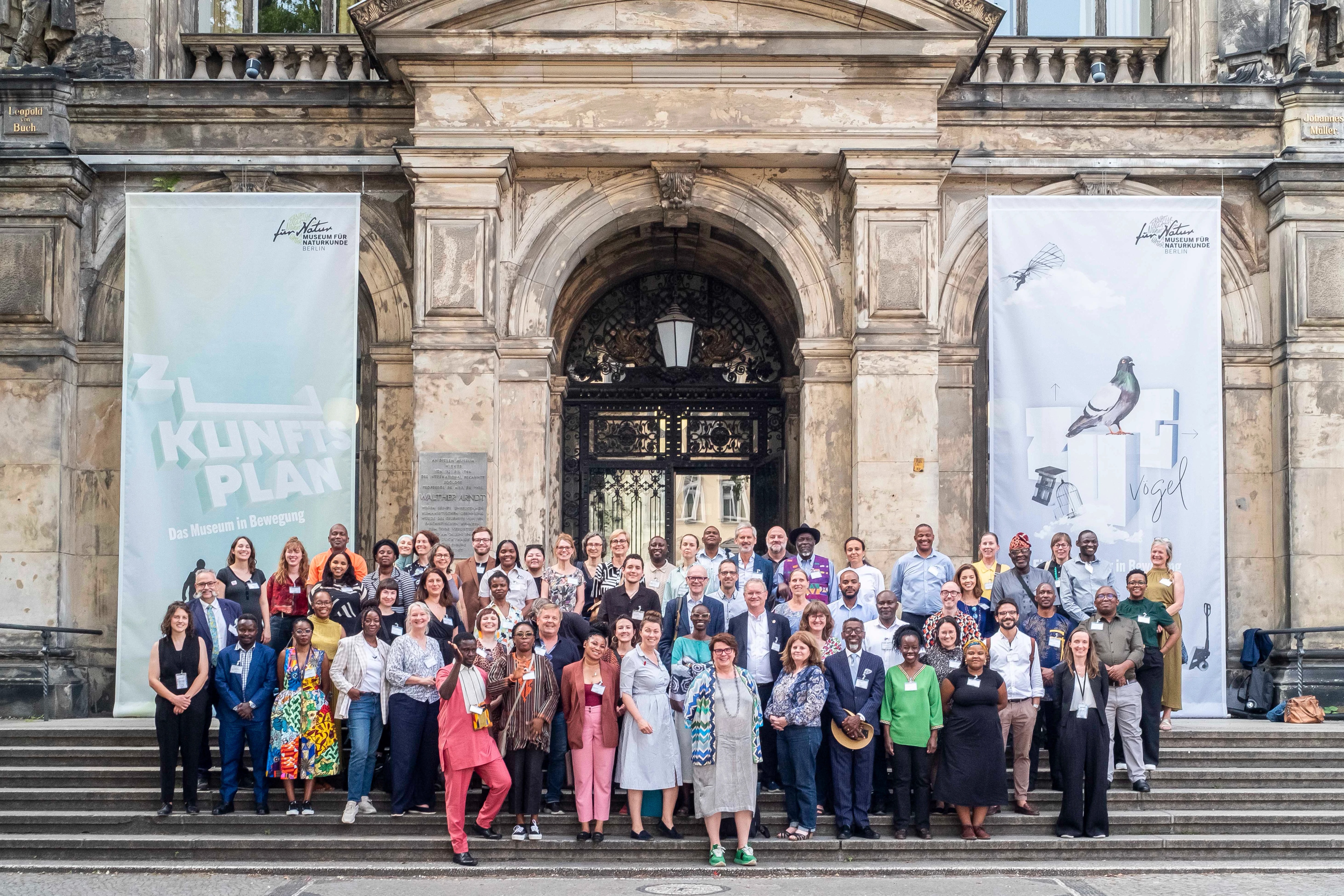
The first meeting of the Partner Museums Network and Alumni Representatives took place at the Museum für Naturkunde Berlin, where the collaborative spirit of the programme shaped a day of shared reflection. An evening at Hamburger Bahnhof then brought together partners, collaborators, fellows, alumni, museum directors, diplomats, funders, political representatives, academia and museum professionals from across Africa and Europe, creating a joyful celebration that highlighted the strength, cohesion and growing impact of TheMuseumsLab community.
Five Years of TheMuseumsLab
Since 2021, TheMuseumsLab has brought together museum professionals from Africa and Europe to explore heritage practices, shifting responsibilities within the sector and future-oriented approaches to museum work. By the time of the anniversary, the programme involved around 200 alumni from 48 countries, collaborations with more than 80 museums and a Partner Museums Network of over 55 institutions across both continents contributing to the residency component.
The anniversary was designed as more than a symbolic milestone. It created a space where partner museum directors, residency facilitators, alumni, Fellows, partners, academics, funders and political representatives could meet in person and engage across roles and institutional contexts. The focus was on shared live reflection: taking stock of five years of joint learning, understanding how experiences across institutions resonate with one another and exploring what forms of collaboration, responsibility and support will be needed as the museum field continues to evolve.
The Network Forum: 18 June 2025
The first part of the anniversary programme, the Network Forum, was held at the Museum für Naturkunde Berlin and dedicated to the Partner Museums Network and representatives of the Alumni Network. 72 participants attended, representing 39 partner museums from 13 African and European countries. The strong turnout underlined the wish within the network to meet in person and to work collectively on core questions shaping the field.
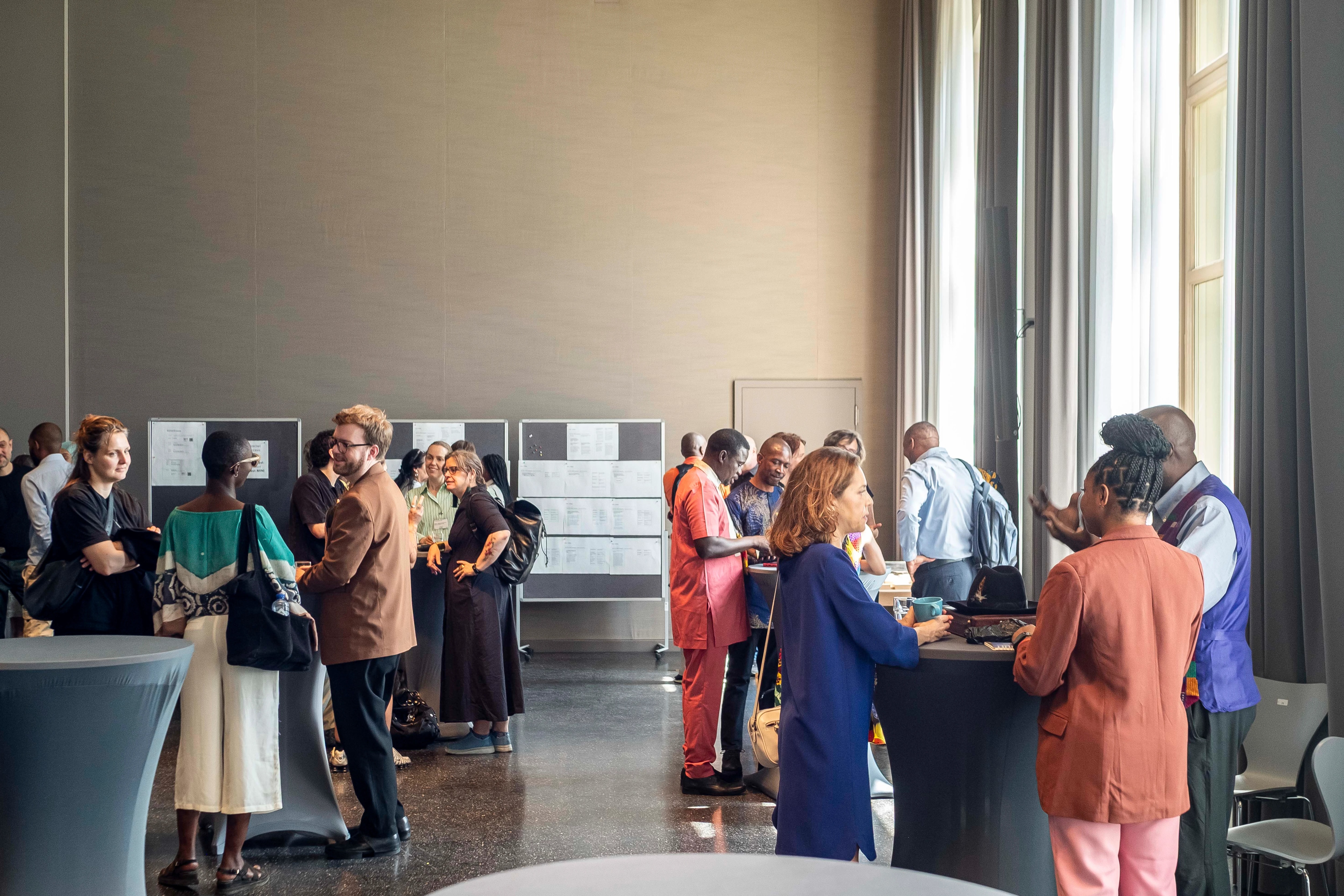
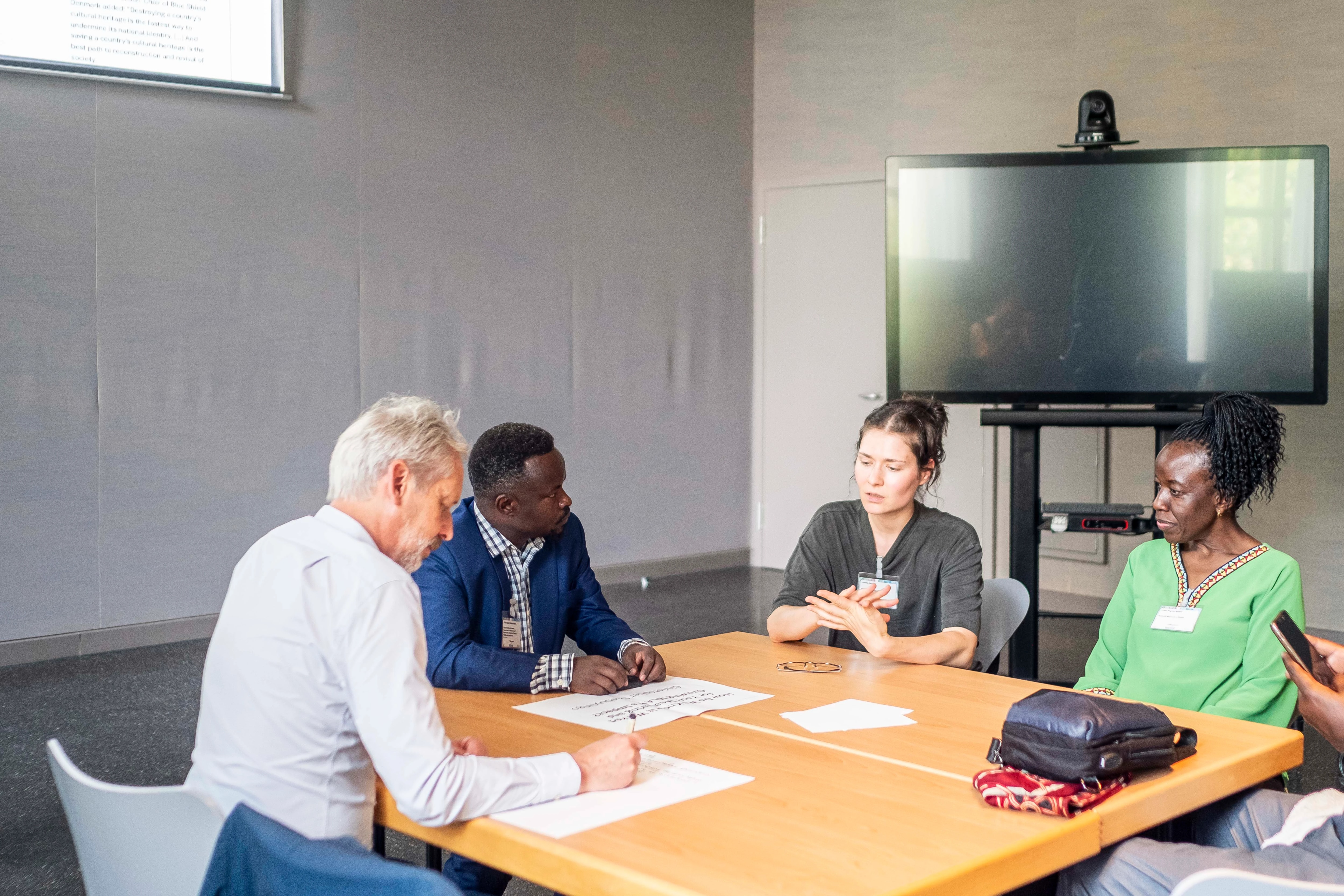
Ahead of the event, TheMuseumsLab invited directors and residency facilitators from the Partner Museums as well as alumni representatives to propose themes they considered essential to discuss with their peers. Eighteen topics were selected and formed the basis for two rounds of Open Peer Tables. Each table was facilitated by the colleague who had proposed the theme, grounding the discussions in self-defined priorities and a strong sense of shared ownership. The format enabled genuine exchange and collective reflection.
Themes and Shared Energy
Across the 18 peer tables, participants engaged with a wide spectrum of issues shaping museum practice in Africa and Europe. Discussions ranged from strengthening the Partner Museums Network, community engagement and the social role of museums to questions of restitution, provenance research and the curatorial responsibilities that accompany the return of belongings. Participants also examined the position of ethnological museums within transcontinental memory work, explored technological developments in museology and reflected on new forms of collaboration with African art residencies.
The second round of discussions broadened this conversation, focusing on how to measure and further develop TheMuseumsLab’s impact, how restitution processes influence institutional transformation, what ethical frameworks are needed for donations and partnerships, and how museums address colonial heritage, histories of slavery and the effects of contemporary conflicts on cultural heritage. Additional tables examined collaborations with Indigenous communities and the practical and ethical challenges of co-curation across regions.
Many participants emphasised how valuable it was to sit together in person across hierarchies and roles. Bringing together senior leadership, residency facilitators and alumni representatives created a form of dialogue rarely possible in everyday institutional settings. The day highlighted a clear desire within the Partner Museums Network to grow closer as a community, to learn more intentionally from one another and to strengthen resilience in the face of global, institutional and political pressures shaping museum work today.
A Joint Declaration
A significant outcome of the Network Forum was the Joint Declaration. At the time of the anniversary, 34 institutions, 12 from African countries and 22 from European countries, joined this commitment.
The declaration articulates shared intentions:
- to approach museum practice as an ongoing process of learning, dialogue and critique
- to acknowledge and address the entanglements of heritage, responsibility and institutional history
- to strengthen equitable and sustainable collaboration across continents
- to support museums as spaces that enable reflection, connection and active participation
The declaration serves as a reference point for the future, reflecting shared values and collective responsibility.
Konrad Schmidt Werthern, Secretary General of the German Federal Commissioner for Culture and the Media, interviewed on the occasion of the Five Year anniversary of TheMuseumsLab
Anniversary Evening at Hamburger Bahnhof
The celebrations continued in the evening at Hamburger Bahnhof – Nationalgalerie der Gegenwart, where around 250 registered guests came together, reflecting the breadth of the community connected to TheMuseumsLab. The evening brought together museum professionals from African and European partner institutions, alumni from all programme years, Fellows 2025, long-standing academic and practice-based partners, representatives of funding bodies, political actors, ambassadors and diplomats, as well as members of committees and supporters who have accompanied the programme over the years. Their presence underscored both the diversity and the growing cohesion of the MLab network.
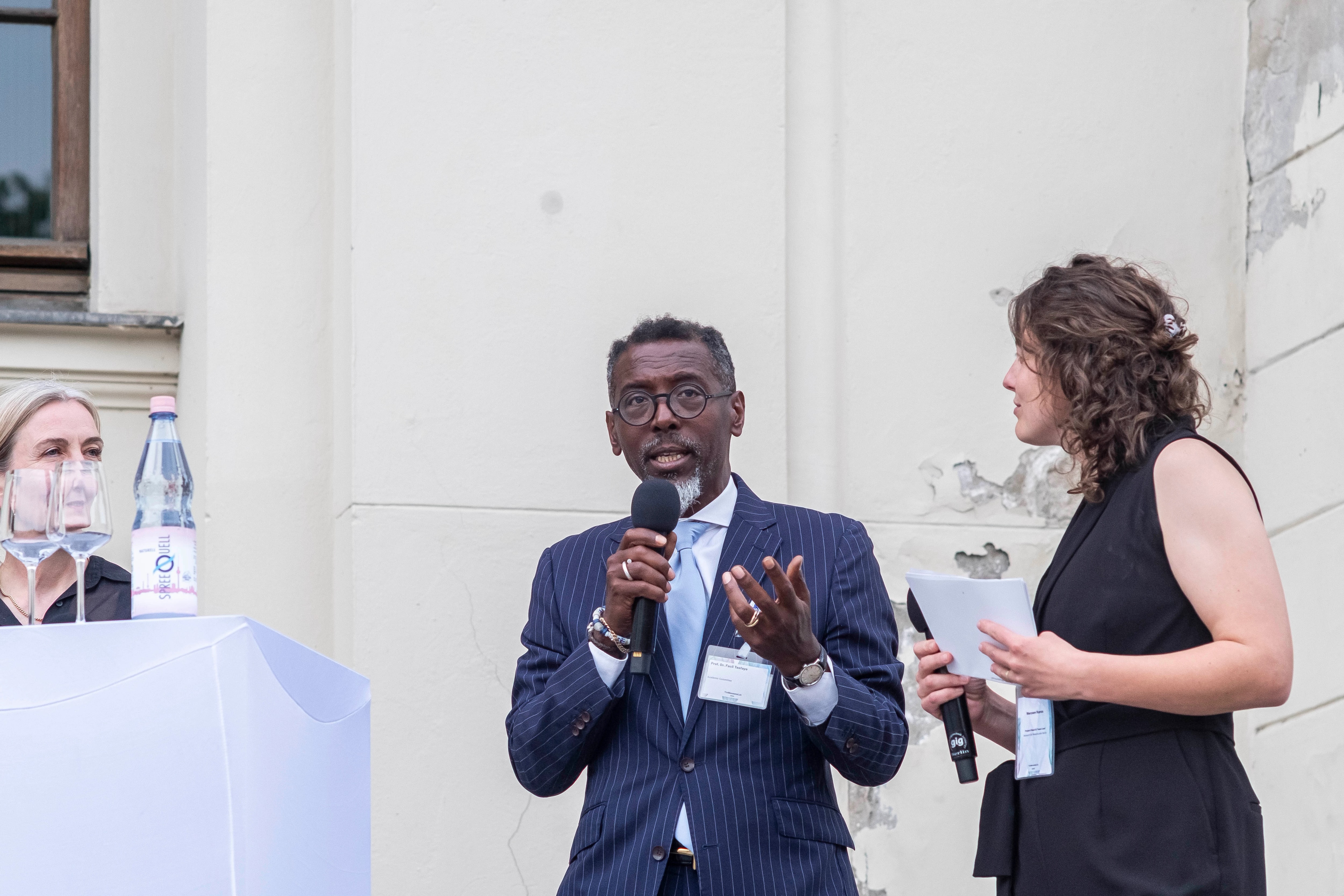
The evening began with a moderated conversation led by Meryem Korun and Solveig Rietschel, Heads of TheMuseumsLab, featuring Marion Ackermann, President of the Stiftung Preußischer Kulturbesitz; Golda Ha-Eiros, Senior Curator at the National Museum of Namibia and alumna of TheMuseumsLab; Michael Harms, Deputy Secretary General of the DAAD; Joana Sousa Monteiro, Director of the Museu de Lisboa; Konrad Schmidt-Werthern, Chief Officer of the Federal Government Commissioner for Culture and the Media; Facil Tesfaye, Chair of TheMuseumsLab Academic Committee and Lennox Tukwayo, CEO of Iziko Museums of South Africa. Together, they reflected on the programme’s achievements, its growing impact and the evolving landscape of international museum cooperation.
The discussion traced developments across the first five programme years, spanning restitution and collaborative research, the emergence of long-term partnerships and the everyday realities of institutional change. A contribution from an alumna offered a grounded perspective from daily practice, showing how TheMuseumsLab continues to influence work across diverse museum contexts and how broader shifts translate into concrete change on the ground.
The three museum directors from South Africa, Portugal and Germany underlined how the programme has begun to shape institutional thinking and collaboration practices, pointing to its growing impact as a reference point for transcontinental museum cooperation and as a space to address crucial questions of restitution and what comes after it. The Deputy Secretary General of the DAAD and the Chair of TheMuseumsLab Academic Committee highlighted the programme’s role in enabling productive cross-pollination between academic discourse and museum practice. From the perspective of the Chief Officer of the Federal Government Commissioner for Culture and the Media, TheMuseumsLab exemplifies how cultural collaboration can strengthen the museum sector as a whole and serve as a model for future-oriented international partnerships.
Golda Ha-Eiros, Senior Curator of Anthropology at the National Museum of Namibia, interviewed on the occasion of the Five Year anniversary of TheMuseumsLab.
The reception that followed the discussion created a warm, celebratory atmosphere, with music and dancing adding to the sense of joy and connection. The breadth and continuity of TheMuseumsLab community became tangible: collaborations begun years earlier resurfaced, ideas travelled between regions and cohorts, and alumni reflected on how the programme continues to influence their work long after their participation year. Informal encounters allowed colleagues to reconnect across cohorts, encounter new perspectives and move between institutional challenges, personal trajectories and shared questions about the future of international museum work, celebrating the collective energy that has shaped TheMuseumsLab since its beginning and making visible a community grounded in professional commitment and held together by trust, curiosity and a willingness to engage with complexity to shape the future of museums.
Marion Ackermann, President of the Stiftung Preußischer Kulturbesitz (Prussian Cultural Heritage Foundation), interviewed on the occasion of the Five Year anniversary of TheMuseumsLab.
Meeting the Fellows 2025: 19 June 2025
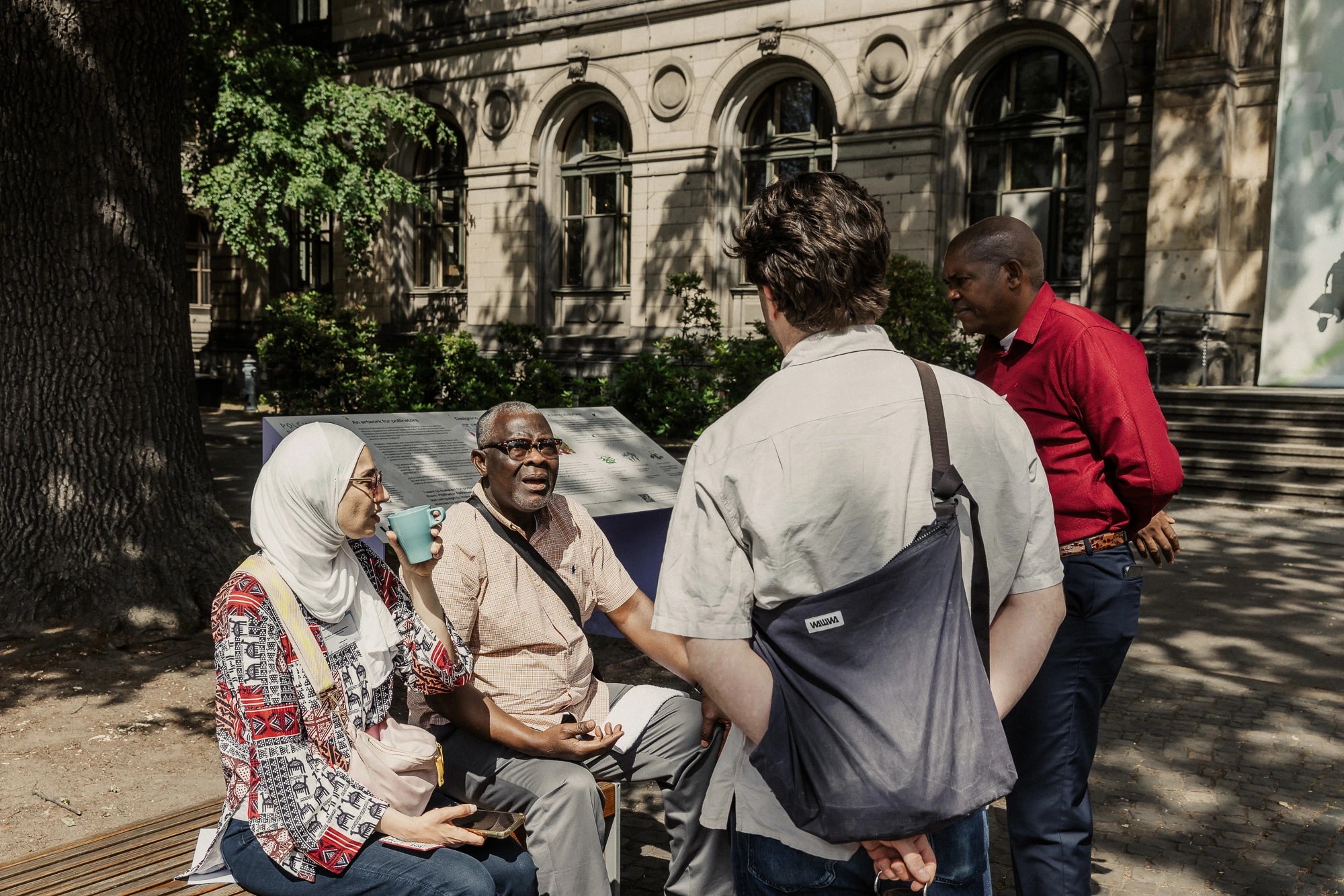
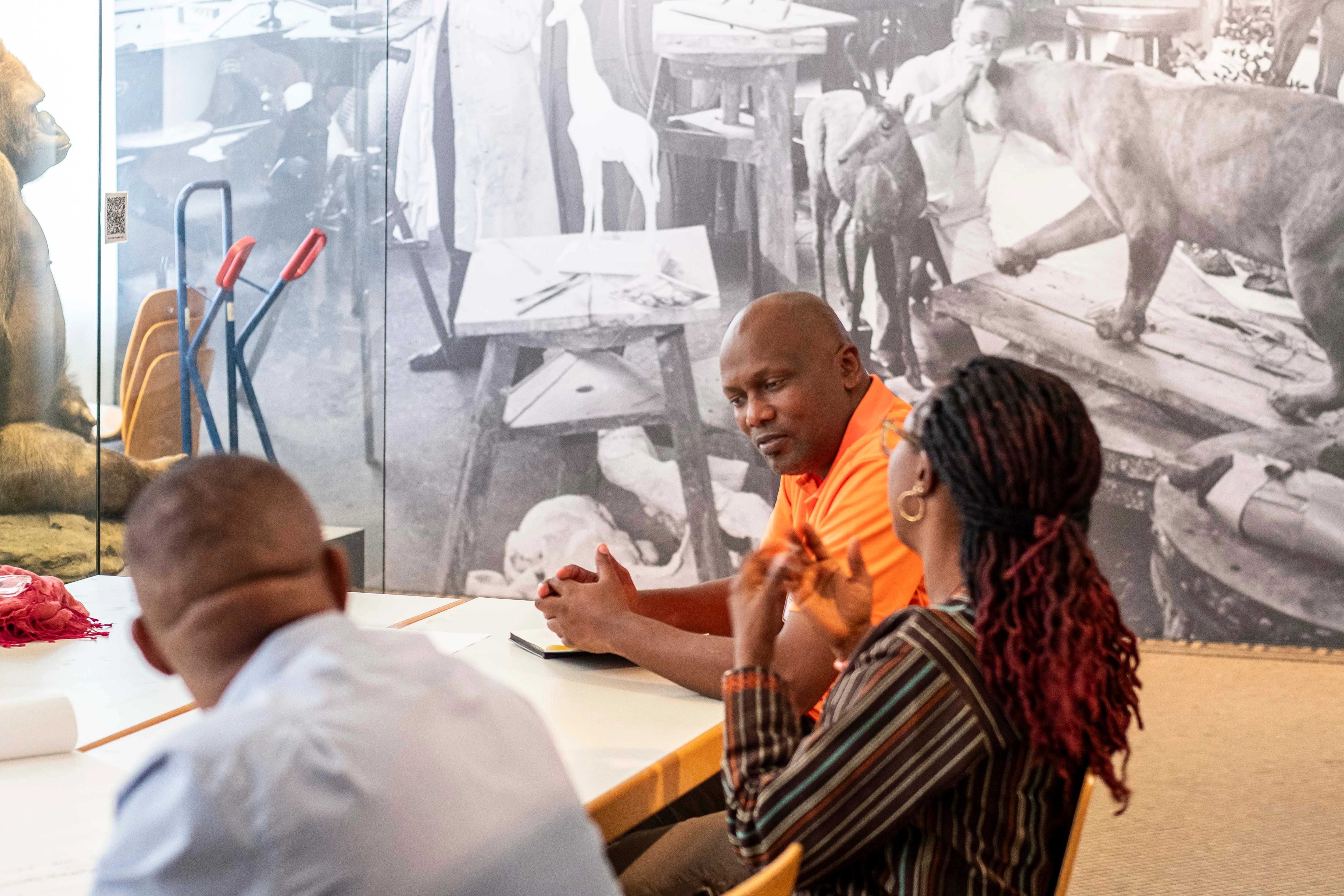
On the following morning, participants from the Network Forum met the Fellows 2025 at the Museum für Naturkunde Berlin. In small groups, Fellows, partner museum staff and alumni discussed their work, the questions that occupy them and the different institutional and social contexts in which they operate. The simple format, small circles, time and few formal constraints, allowed conversations to unfold at a slower pace, shaped by genuine curiosity and careful listening.
What emerged was an appreciation for hearing how colleagues from different institutions approach similar issues and how personal experiences shape professional perspectives. Several participants noted that the exchange helped them see their own work from a different angle. The morning made clear how moments of shared reflection, simple in structure yet open in spirit, play an important role in building understanding across the network and in nurturing the relationships that sustain TheMuseumsLab.
Why These Two Days Mattered
The anniversary held particular significance for several reasons:
- A first in-person gathering of the Partner Museums Network
- Partners whose residency engagements usually run in parallel and do not overlap could encounter for the first time. This created space to understand each other’s contexts, compare practices and begin building connections that had not previously been possible.
- Joint learning across roles and regions
- Directors, facilitators, alumni and Fellows contributed on equal terms. This cross-perspective exchange offered a fuller sense of institutional realities, ambitions and challenges in different settings and helps to surface both shared concerns and divergences.
- A strengthened sense of resilience and collective direction
- Conversations showed that museums on both continents despite many differences navigate many similar pressures. Sharing experiences, uncertainties and dilemmas in a trusted environment contributes to a sense of resilience and clarifies areas where joint action and mutual support are needed
- A shared framework for future collaboration
- The Joint Declaration offers a common frame of reference for the years ahead. It distils collective thinking across the Partner Museums Network into concrete commitments that can guide decision-making and collaboration.
- The value of meeting in person
Above all, the anniversary affirmed how essential interpersonal encounters are for jointly shaping the future of museums. Digital formats remain important, but meeting face to face creates a different quality of understanding that builds trust, deepens nuance, offers more space to hold complexity and opens pathways for new forms of collaboration.
Looking Ahead
TheMuseumsLab Team is deeply grateful to all partners, alumni, Fellows and contributors who shaped the two-day programme in Berlin, and to the Federal Government Commissioner for Culture and the Media, whose support made this gathering possible. The anniversary brought together two parts of the community: the Partner Museums Network meeting in person for the first time, and the wider MuseumsLab community joining the celebration in the evening.
For TheMuseumsLab team, these two days were a strong confirmation that carefully designed in-person encounters, even if rare, can generate momentum that extends far beyond the event itself. The experience has reinforced the commitment to supporting the Partner Museums Network as it grows closer and embarks on its own joint learning journey for transformation, while at the same time nurturing the wider TheMuseumsLab community as a space where ideas, practices and responsibilities are continually rethought across continents and regoins.
Building on this moment, TheMuseumsLab will continue to work with the commitment, curiosity and care that have shaped the programme from the beginning.

Related Articles
The Joint Declaration of TheMuseumsLab Partner Museums Network
At its 5-year anniversary, TheMuseumsLab network of African and European partners signed a powerful joint declaration, committing to transform museums into inclusive spaces of dialogue, reflection, and connection. Discover how this milestone is reshaping the future of cultural collaboration.
Read more